Quick Answer
To put on a wig with long hair, first secure your natural hair flat against your head by braiding it in cornrows or twisting it into a low bun, then cover it with a wig cap to create a smooth base. The key is to distribute the bulk evenly so the wig sits naturally and doesn’t shift. Never skip the wig cap—it keeps your hair in place and protects your edges from friction.
How to Prepare Your Hair for a Wig
Before you put on the wig, your natural hair needs to lie as flat as possible. The goal is to create a smooth, even surface so the wig doesn’t look bumpy or feel bulky.
- Start with clean, dry hair. Wash and condition your hair the day before, then let it air-dry completely. Damp hair can cause the wig to slip or lead to mildew under the cap.
- Detangle thoroughly. Use a wide-tooth comb to remove all knots. Tangles under a wig can create lumps and pull at your scalp.
- Choose your flat style. For most hair lengths, cornrows (flat braids) work best. Part your hair into sections and braid each one close to the scalp, going backward. If your hair is very long, braid it into two or three sections and then wrap them around your head in a flat coil.
- For very long hair (past shoulder blades): Instead of braiding, you can twist your hair into a low, tight bun at the nape of your neck. Make sure the bun is as flat as possible—use bobby pins to secure any loose strands. This works well for full lace wigs because the bun sits below the wig’s hairline.
- Smooth flyaways. Lightly apply a small amount of styling gel or edge control to your hairline, then wrap a satin scarf around your head for 5-10 minutes to press everything down.
Tip: If you have thick hair, consider getting a “wig grip” or a velvet band to help hold the wig in place—more on that in the next section.
How to Secure Long Hair Under a Wig Cap
A wig cap is a thin, breathable cap that holds your hair flat and protects your scalp from the wig’s lace. It also gives the wig a smooth base to grip.
- Choose the right cap. Nylon or mesh caps are common and come in skin-tone shades. If you have sensitive skin, look for a soft cotton or velvet-lined cap.
- Put the cap on. Hold the cap with both hands, place the front edge at your hairline, and pull it back over your head. Tuck any loose strands of hair inside as you go.
- Adjust for long hair. If your braids or bun are bulky, you may need to reposition them. The cap should cover all your hair, with the edges lying flat against your scalp. Use bobby pins to secure the cap’s edges if needed.
- Check for smoothness. Run your fingers over the cap. If you feel any bumps, smooth them out or add a few more pins. The cap should feel snug but not tight—it shouldn’t give you a headache.
Caution: If you have a sensitive scalp, do a patch test with the cap material on your inner wrist before wearing it for a full day. If you feel any irritation, stop and choose a different cap material.
How to Put on the Wig
Now that your hair is flat and capped, you’re ready to put on the wig. The method depends slightly on the type of wig you have, but the basics are the same.
- Hold the wig by the ear tabs. Place your thumbs inside the wig at the ear tabs (the small flaps near the ears) and your fingers on the lace. This keeps the wig balanced.
- Tilt your head forward slightly. This helps the wig slide on without catching on your cap.
- Slide the wig from front to back. Place the front edge of the wig (the hairline) at your natural hairline, then pull the rest over your head. Adjust so the ear tabs sit right above your ears.
- Align the hairline. Make sure the wig’s hairline matches your own—it should sit about a finger’s width above your eyebrows. If you have a full lace wig, you can part the hair anywhere; if it’s a lace front, position the lace so it blends with your skin.
- Secure the wig. If your wig has combs or adjustable straps, snap them into place. For extra hold, use bobby pins to pin the wig to your cap or your natural hair at the temples and nape. If your wig is glueless (like many full lace wigs), it should fit snugly on its own, but you can add a wig grip band for security.
- Style and blend. Use a wide-tooth comb or your fingers to style the wig’s hair. If you have a lace front, you can apply a small amount of foundation or powder to the lace to blend it with your skin tone.
For glueless wigs: Many full lace wigs are designed to be worn without adhesive. If your wig has a glueless cap, simply adjust the straps for a snug fit. If it doesn’t, you can use a small amount of wig glue or tape along the hairline—but always do a patch test first.
For very long hair: If your natural hair is extremely long (past your waist), you may find that a low bun works better than braids. Place the bun at the nape of your neck, and make sure the wig’s cap covers it completely. Some wigs have a larger cap that can accommodate a bun—check the wig’s cap size before you buy.
Common Mistakes to Avoid
- Skipping the wig cap: This leads to slippage and bumps. Always use a cap to keep your hair flat.
- Putting the wig on over wet or damp hair: This can cause mildew and damage your natural hair. Always start with dry hair.
- Pulling the wig too far forward or back: This makes the hairline look unnatural. Take time to align it with your own hairline.
- Using too many bobby pins: This can cause headaches and damage your edges. Use just enough to secure the wig—usually 4-6 pins.
- Tugging on the wig to adjust it: This can tear the lace. Instead, use your fingers to gently reposition the wig.
- Ignoring your natural hair’s health: If your hair is damaged or thinning, a wig can make it worse. Give your scalp breaks and keep your hair moisturized.
Aftercare for Your Hair and Wig
After wearing your wig, it’s important to care for both your natural hair and the wig itself.
- At night: Remove the wig and store it on a wig stand. If you sleep in your wig, wrap it in a satin scarf or use a satin pillowcase to reduce friction.
- For your natural hair: When you take off the wig, gently undo any braids or buns. Massage your scalp to stimulate circulation, and apply a light oil or leave-in conditioner to your hair and edges. Don’t keep your hair in tight styles for more than a day or two—give it a break.
- For the wig: Brush the wig with a wide-tooth comb, starting from the ends and working up. Wash it every 6-8 wears with a gentle shampoo, and let it air-dry on a stand. Avoid heat styling unless the wig is heat-safe.
FAQ: Long Hair and Wigs
Can I wear a wig with very long hair without cutting it?
Yes, you can. The key is to flatten your hair with braids or a low bun. For hair past your waist, a low bun at the nape is often the most comfortable and secure option.
How often should I wash my wig if I wear it daily?
If you wear your wig every day, wash it every 1-2 weeks, depending on how much product you use and how much you sweat. Human hair wigs can go longer between washes than synthetic ones.
How do I keep my wig from slipping on smooth hair?
Use a wig cap with a velvet band or a wig grip. You can also apply a small amount of wig adhesive along the hairline, but always patch-test first.
When should I see a professional?
If you have a sensitive scalp, severe hair loss, or if you’re struggling to get a natural look, a professional stylist can help you with a custom fit or styling.
If Your Wig Needs Replacing
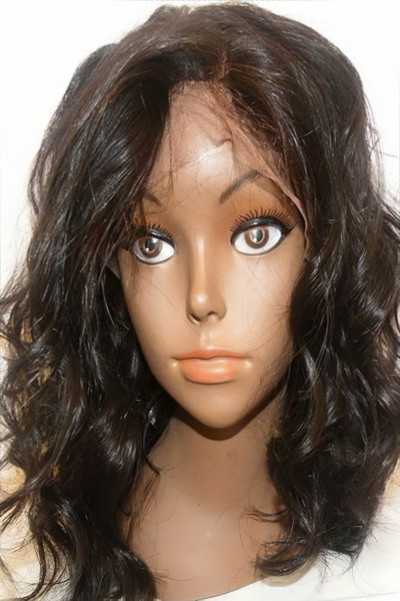
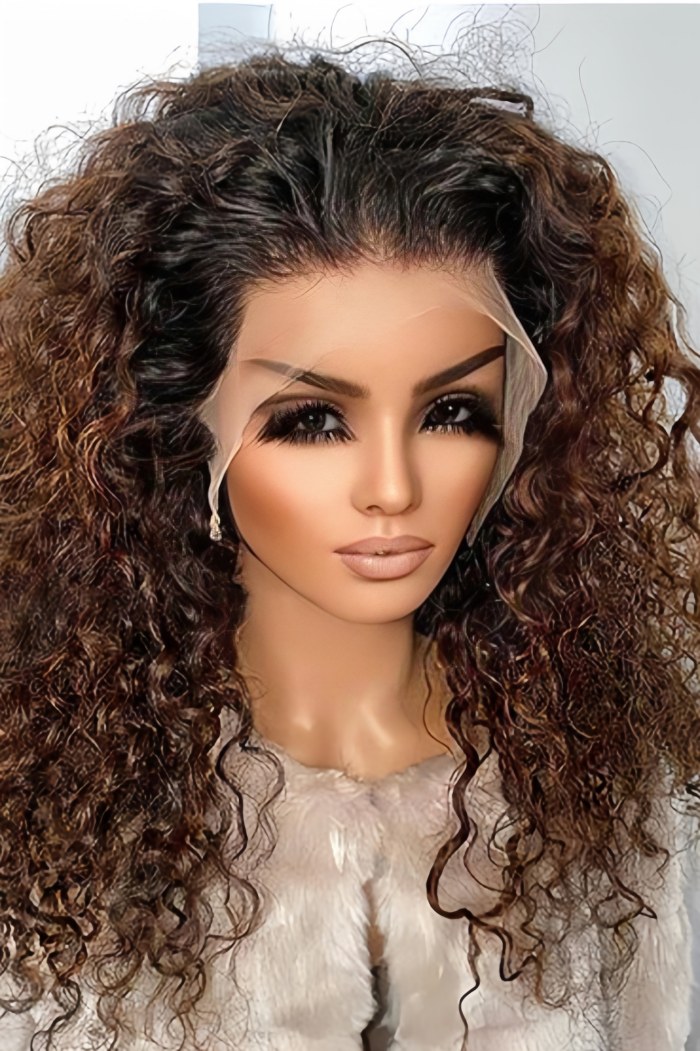
If you’ve been wearing your wig for a while and it’s showing signs of wear—like thinning lace, shedding, or a cap that no longer fits—it may be time for a new one. For a natural, glueless option, consider a full lace wig in a body wave or straight texture, available at LaceWigsBuy. For example, the 14” Body Wave Full Lace Wig, #1B Natural Black, 100% Indian Remy Human Hair is a popular choice for its realistic look and comfortable fit. If you prefer a longer length, the 20” Body Wave Full Lace Wig, #1B Natural Black, 100% Indian Remy Human Hair offers the same quality with extra length. For those who want a 360-degree styling option, the 20” Deep Wave 360 Lace Wig, 100% Indian Remy Human Hair allows you to wear your hair up or down. You can also browse the Human Hair Wigs collection for more options.

About WigAnswers
WigAnswers is an independent, English-language wig guide site. We’re not owned by any wig brand or retailer, so our advice is unbiased. Every guide opens with a direct answer to your question, and when we recommend products, they’re editorial picks linked to third-party retailers. For more wig care and styling tips, visit WigAnswers.