Quick Answer
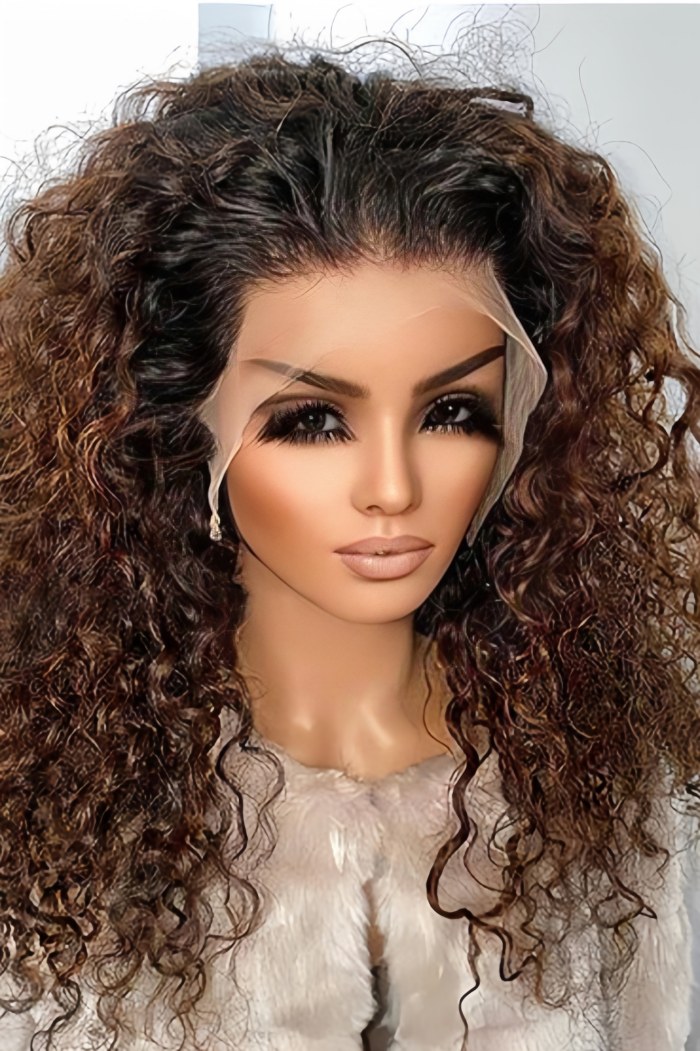
A frontal wig is a wig with a lace panel that runs from ear to ear across the front of the cap, to which individual hairs are tied by hand. This thin, nearly invisible lace creates a natural-looking hairline and allows you to part the hair anywhere across the front, or pull it back into a ponytail. It’s the most popular choice for a realistic, versatile look without the cost of a full lace wig.
Unlike a closure, which is a small lace square, a frontal covers the entire front hairline, giving you more styling freedom. The rest of the cap is typically made of a less expensive material, like a wefted or monofilament top, which keeps the price lower than a full lace wig.
How Is a Frontal Wig Different from a Full Lace Wig?
The main difference is the amount of lace on the cap. A frontal wig has lace only at the front, from ear to ear, while a full lace wig has lace covering the entire cap. This means a full lace wig allows you to part your hair anywhere on your head—even in the back or sides—and to pull all your hair into a high ponytail or bun. A frontal wig limits those styles to the front area; the back and sides are made of a more opaque material, so you can’t part them or pull them back fully.
For most wearers, a frontal wig offers the natural hairline and parting versatility they need at a lower price than a full lace wig. If you frequently wear high ponytails or updos that show the back of the cap, a full lace wig is worth the extra cost. But if you mostly wear your hair down or in low styles, a frontal gives you the realistic look without paying for lace you won’t use.
What Does a Frontal Wig Look Like and How Does It Work?
The lace front of a frontal wig is a sheer, flesh-toned mesh that mimics your scalp. Individual hairs are hand-tied onto the lace, one at a time, so they appear to grow naturally from your skin. This creates a realistic hairline that can be parted anywhere across the front, and the lace can be cut to match your own hairline for an invisible blend.
The lace is typically attached with adhesive or wig tape, though some frontals are designed to be glueless, with combs or adjustable straps for a secure fit. The rest of the cap is usually made of a breathable material, like a wefted cap or a monofilament top, which is less expensive than full lace but still comfortable and natural-looking.
How Much Does a Frontal Wig Cost?
Frontal wigs vary widely in price, depending on the quality of the hair, the type of lace, and the construction of the cap. Human hair frontal wigs generally cost more than synthetic ones, but they offer the most natural look and can be styled with heat tools. Expect to pay anywhere from $100 to $400 for a good-quality human hair frontal wig, while synthetic versions can be found for under $50.
When comparing prices, remember that a frontal wig is often a budget-friendly alternative to a full lace wig. You get the natural hairline and parting flexibility where it matters most, without paying for lace on the entire cap. If you’re on a tighter budget, a frontal wig is a smart compromise.
How to Choose a Frontal Wig: Key Factors
- Hair type: Human hair looks and feels most natural, and it can be curled, straightened, or dyed. Synthetic hair is cheaper but less versatile and can’t handle high heat.
- Lace type: Swiss lace is finer and more delicate, while French lace is sturdier and more durable. Both can be invisible when applied correctly.
- Cap construction: Look for a cap that fits your head comfortably. Adjustable straps and combs help secure the wig, and a glueless design means you can wear it without adhesive.
- Density and texture: Choose a density that matches your natural hair (usually 130% to 180%) and a texture that suits your style, like body wave, straight, or curly.
Related read: Closure vs Frontal: Which Lace Wig Should You Choose?
Related Questions
How long does a frontal wig last?
With proper care, a human hair frontal wig can last 6 to 12 months or longer. Synthetic wigs typically last 3 to 6 months. The lifespan depends on how often you wear it, how well you maintain it, and the quality of the hair.
Can I wear a frontal wig without glue?
Yes, many frontal wigs are designed to be glueless, with adjustable straps and combs that hold the wig in place. You can also use wig tape or adhesive for extra security, but it’s not always necessary. Glueless wigs are a great option for beginners or those who prefer a quick, hassle-free application.
How do I wash a frontal wig?
Wash your frontal wig every 6 to 8 wears, or when it starts to look dull. Use a sulfate-free shampoo and lukewarm water, and gently work the shampoo through the hair in a downward motion. Rinse thoroughly, apply conditioner, and let it air dry on a wig stand. Avoid rubbing or wringing the hair.
Next Steps: Compare Full Lace Options
If this answer settled what a frontal wig is and you’re now comparing actual units, you might also consider a full lace wig for maximum styling freedom. A full lace wig lets you part anywhere and pull your hair up, which is ideal for high ponytails and buns. For a natural, everyday look, you can explore the Human Hair Wigs collection at LaceWigsBuy. If you prefer a no-glue option, check out the Glueless Lace Wigs collection at LaceWigsBuy. Two popular picks are the 14” Body Wave Full Lace Wig, #1B Natural Black, 100% Indian Remy Human Hair [FB0280] and the 20” Deep Wave 360 Lace Wig, 100% Indian Remy Human Hair [360LWRDW4594].

About WigAnswers
WigAnswers is an independent, English-language wig guide site. We are not owned by any wig brand or retailer, so our advice is unbiased and reader-first. Every guide opens with a direct answer, and our product recommendations are editorial picks that link to trusted third-party retailers. For more wig wisdom, visit WigAnswers.