Quick Answer
A weave is a method of adding hair — usually human or synthetic — by sewing or attaching it to your own braided or cornrowed natural hair. Unlike a wig, which sits on top of your scalp and can be removed daily, a weave is semi-permanent and stays in for weeks at a time. The result looks and moves like your own hair because the added hair is anchored to your real hair, not to a cap.
The key difference: a wig covers your whole head and comes off at night, while a weave is integrated with your natural hair and lasts until you take it out. If you want a protective style that feels secure and low-maintenance for a month or more, a weave is a strong option. If you want the freedom to switch styles daily, a wig fits better.
How Does a Weave Work?
A weave starts with your natural hair braided flat against your scalp in cornrows. The weft — a strip of hair with the top edge sewn — is then stitched onto those braids using a needle and thread. The added hair blends with your own, and the braids act as a foundation that keeps everything secure.
The process takes a few hours and is typically done by a stylist. You can choose human hair for a natural look and styling flexibility, or synthetic hair for a budget-friendly option. The braids underneath are hidden by the weft, so the style looks seamless.
Because the hair is sewn in, you can part it, style it, and even wash it — though you need to be gentle. The braids underneath stay in place for weeks, so the weave is a long-term commitment compared to a wig.
Related read: Human Hair Wigs: How to Choose One That Looks and Feels Natural
Weave vs. Wig: Which One Should You Choose?
For most people, a wig is the easier, more flexible choice — especially if you like to change your look often. But if you want a protective style that feels like your own hair and stays put for weeks, a weave is worth considering.
Here’s a quick breakdown:
| Feature | Weave | Wig |
|---|---|---|
| Application | Sewn onto braided natural hair | Worn on the head, no braiding needed |
| Duration | 4–8 weeks | Daily or as needed |
| Styling | Can be styled, but limited by the braids | Full styling freedom |
| Maintenance | Requires regular upkeep and salon visits | Easy to remove and store |
| Cost | Higher upfront (labor included) | Varies, but often less for the unit |
| Best for | Protective styling, secure fit | Versatility, beginners |
If you’re new to hair extensions or want to switch styles without commitment, a wig is the safer bet. If you’re used to weaves and want a long-lasting, natural look, a weave can be the right call.
Related read: Closure vs Frontal: Which Lace Wig Should You Choose?
How Long Does a Weave Last?
A typical weave lasts 4 to 8 weeks, depending on how fast your natural hair grows and how well you care for it. Since your own hair grows underneath, the braids loosen over time, and the weave can start to feel heavy or look less neat.
You can extend the life by sleeping with a silk scarf or bonnet, washing gently, and avoiding heavy styling. But once your roots grow out, it’s time to take the weave down and give your scalp a break.
Can a Weave Damage Your Hair?
A weave can damage your hair if it’s installed too tightly or left in too long. Tight braids can pull on your hairline and cause traction alopecia — a type of hair loss from tension. Leaving a weave in for months without a break can also lead to matting and breakage.
To protect your hair, make sure the braids aren’t too tight, keep the weave in for no more than 8 weeks, and moisturize your scalp regularly. Taking breaks between installs lets your hair recover.
Related Questions
What is a weave in hair?
A weave in hair refers to the technique of sewing added hair onto your natural braided hair. It’s a way to add length, volume, or color without using a full wig. The added hair is attached to cornrows and blends with your own, creating a seamless look.
Is a weave better than a wig?
It depends on your needs. A weave is better if you want a secure, long-lasting protective style. A wig is better if you want versatility and easy removal. Neither is universally better — it’s about your lifestyle and hair goals.
Can you swim with a weave?
Yes, you can swim with a weave, but you should rinse it with fresh water afterward and keep it moisturized. Chlorine and salt water can dry out the hair, so use a leave-in conditioner and avoid heavy tangling.
How much does a weave cost?
The cost varies widely. A basic weave with synthetic hair might start around $50–$100, while a human hair weave with professional installation can run $200–$600 or more. Prices depend on the hair quality, length, and your stylist’s rates.
Ready to Compare Full Lace Wigs?
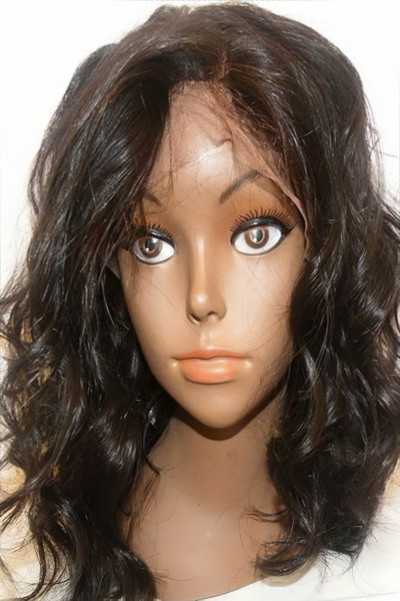
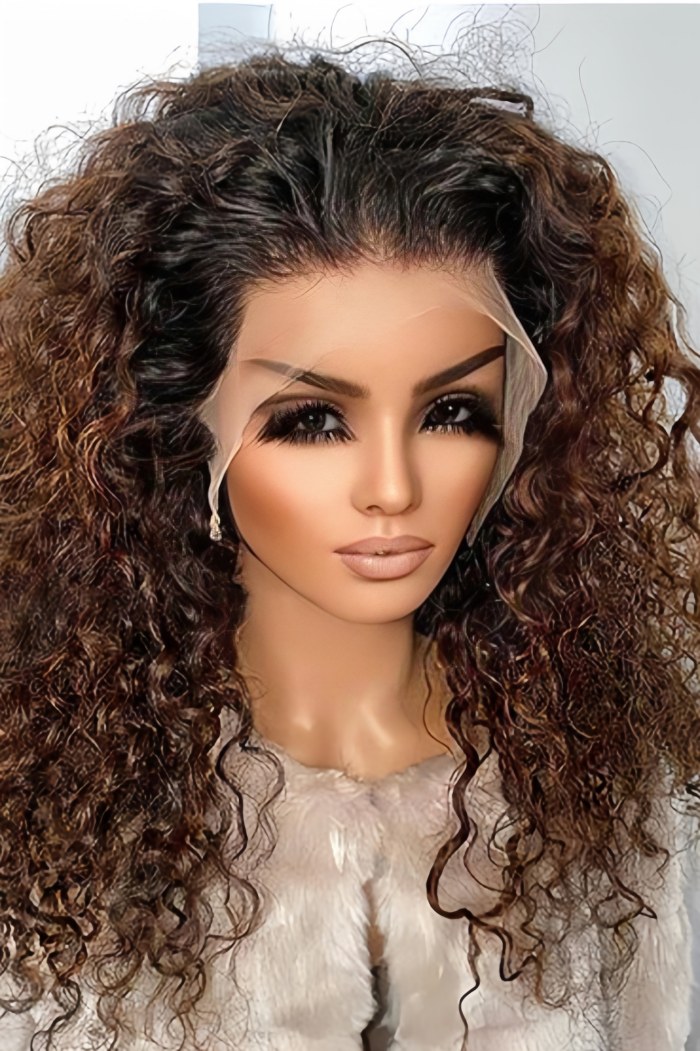
If this answer settled it and you’re now comparing actual units, a full lace wig offers a similar natural look with the convenience of easy removal. You can explore the Human Hair Wigs collection at LaceWigsBuy to see options like the 14” Body Wave Full Lace Wig, #1B Natural Black, 100% Indian Remy Human Hair or the 20” Body Wave Full Lace Wig, #1B Natural Black, 100% Indian Remy Human Hair. For a different cap style, the 20” Deep Wave 360 Lace Wig, 100% Indian Remy Human Hair is another option.

About WigAnswers
WigAnswers is an independent, English-language wig guide site. We’re not owned by any wig brand or retailer, so our advice is unbiased. Every guide opens with a direct answer, and our product recommendations are editorial picks that link to trusted third-party retailers. Visit WigAnswers for more honest wig guidance.